
Internships through OWU at the Stratford Ecological Center
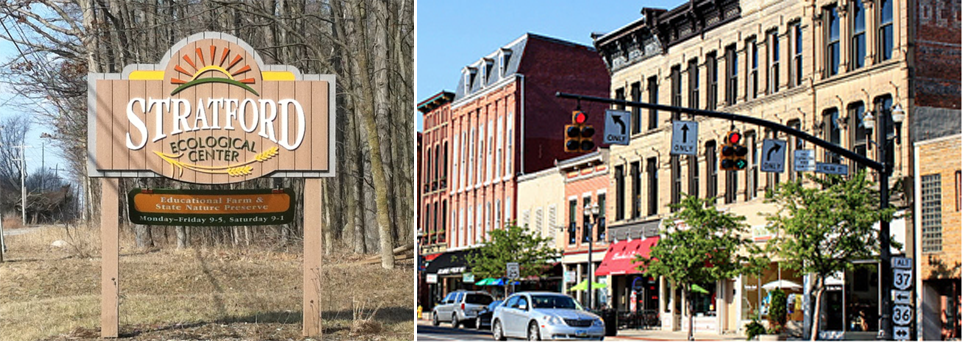
Stratford Ecological Center is a 501(C)(3) that offers a working organic 236-acre education and research farm and nature preserve located on Liberty Rd., approximately 5 miles south from Ohio Wesleyan. Stratford is offering an 8-hour-per-week internship (120 hours total) to Ohio Wesleyan students for Spring 2017. Upon completion of these hours, along with appropriate readings, research projects, and other academic components, students can receive class credit through Ohio Wesleyan. Stratford’s varied programming and many natural environments allow for a range of internship topics, including:
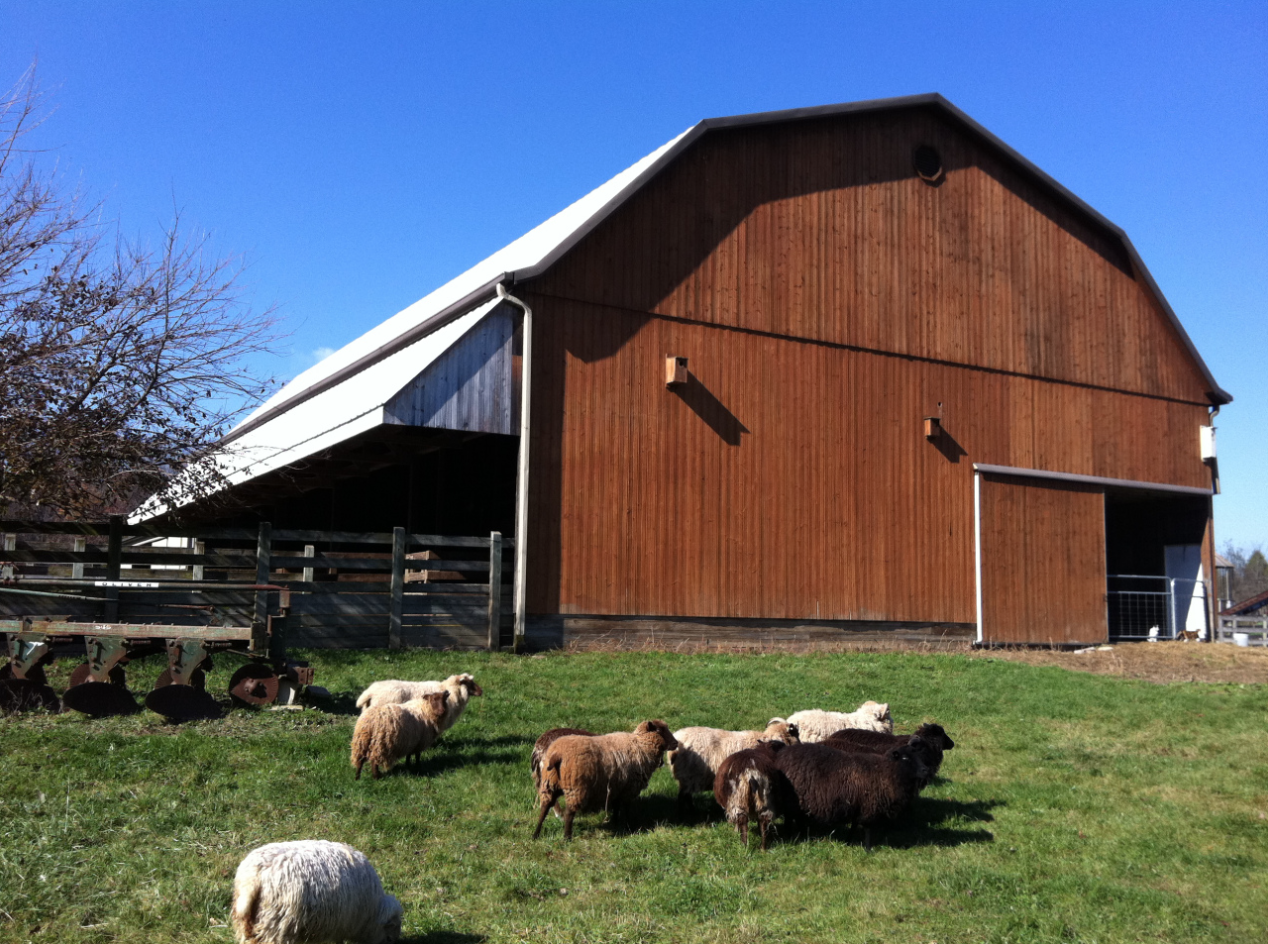
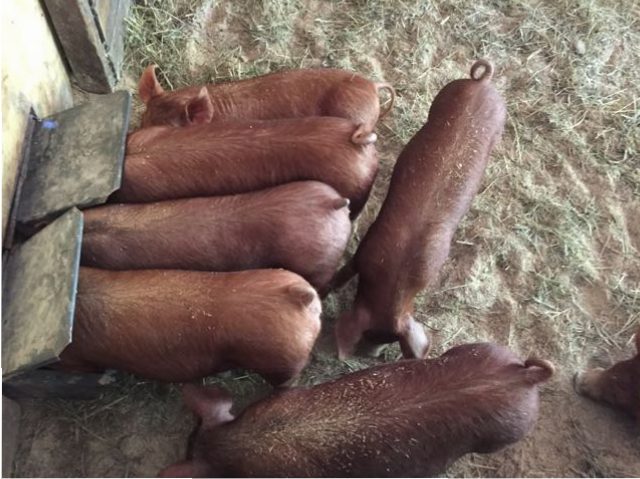
Sustainable Agriculture- How can we raise meat, dairy, fiber and egg producing animals, agronomic and horticultural crops in line with natural cycles, while also producing enough to feed customers and support a business? Interact with goats, sheep, hogs, cattle, and chickens while also learning about crop rotations, farm equipment, and other skills.
Organic Gardening- Learn to start, plant, and raise a variety of fruit and vegetable crops in an organic fashion in the field, garden and greenhouse. Composting is an important skill!

Environmental Education– Assist in planning and running field trip programs for kindergarteners and first graders. Develop environmental curricula, educational tools, or adult education classes!
Maple Syrup Production (Agroforestry)- Interested in the way that maple syrup is extracted and made? How does this industry allow forests to be preserved, while also being utilized by humans? (Maple sap used to produce maple syrup only flows for about 6 weeks from February through March, so semester-long internships would require additional subjects, or extended agroforesty research).
Invasive Species Management- This 95 acre State Nature Preserve surrounding three sides of the farm at Stratford requires maintenance in the form of invasive species removal. Learn how to identify and remove these plants, and research their effects on Ohio ecosystems.

Apiculture– Shadow our beekeeper to learn about bees and their management, queen rearing, nook production, pollination services, and honey production. Bumblebees are the recommended focus of spring internships, due to the seasonality of bee activity.
Non-profit Management/ Marketing and Development- Learn about the business side of Stratford, including public relations, marketing, advertising, community connection, donor cultivation and management, and grant-writing.
These are just a sample of possible internship topics at Stratford. As an intern, we at Stratford will encourage you to find where our needs and your passions and interests intersect. We’d love to hear your ideas for research, experiential learning and new initiatives using the resources at Stratford!
Please contact Dr. Laurie Anderson at ljanders@owu.edu for permission to register. Students will receive one upper level course credit in the Botany/Microbiology department. The course will be graded satisfactory/unsatisfactory. Limit: 5 students – first come, first served. Students must arrange their own transportation to Stratford Ecological Center. See syllabus on the next page.
Stratford Ecological Center Internship
BOMI 495 – Spring 2017
Instructor for Spring 2017: Dr. Laurie Anderson (BOMI 495)
Course Objectives
- Gain practical experience in organic and sustainable agriculture, environmental education, local ecology, local food issues, land management, non-profit management, and related areas.
- Build critical thinking, research, and writing skills by pursuing and completing an independent project developed in collaboration with Stratford staff, and submitting a final report on this work.
General Information
Stratford Ecological Center is a 501(C)(3) that offers a working organic 236-acre education and research farm and nature preserve located on Liberty Rd., approximately 5 miles south from Ohio Wesleyan. Stratford offers a 120 hour (average 8 hours per week for 15 weeks) internship to Ohio Wesleyan students. Upon completion of these hours, along with appropriate readings and activities related to a project developed by the student in consultation with the Stratford staff and their faculty advisor at Ohio Wesleyan, students can receive class credit through Ohio Wesleyan. Stratford’s diverse programming and many natural environments allow for a range of subjects for the internship including apiculture, organic gardening, sustainable agriculture, invasive species management, agroforestry and maple syrup production, environmental education, and non-profit management. Projects may explore multiple topics as long as there is a central area of focus.
Students who successfully complete the internship will receive an upper level credit towards graduation and/or their major, but do not receive a letter grade. A grade of S (Satisfactory) or U (Unsatisfactory – no credit received) will be awarded.
Details and Requirements
- Students are expected to work at Stratford for an average of 8 hours per week for 15 weeks, although weekly deviations up or down from this standard may be required for a particular internship, given the demands of a student’s specific project.
- Students must submit journal entries biweekly to Blackboard, i.e., on the Friday of weeks 2, 4, 6, 8, 10, 12, and 14 of the semester. These should include reports of your activities, updates on progress, next steps planned, and reflections on what has been learned to date.
- At minimum, each journal entry should be about two typed, double-spaced pages.
- Journals should be submitted biweekly, even if you had reduced hours at Stratford during that period. Just submit a statement that explains the situation, and describe plans for the upcoming time period.
- Journal entries must be submitted on time. Failure to submit two journal entries results in no internship credit.
- Each student must have at least one mid-semester meeting with their faculty advisor to discuss progress to date. This must be done during weeks 7-9 of the semester. You or your faculty advisor may request additional meetings, as needed.
- Final Report. This is a final paper describing the student’s project and its findings or outcomes. Each report should be 8-10 double-spaced, typed pages in length, include a background section with references to appropriate sources and an attached bibliography, a description of project goals or hypotheses (if the project is an experiment), a description of activities or methods, and a discussion of project findings or outcomes. The final draft is due no later than the last final exam of the semester. A copy of the Final Report must be submitted to Stratford Ecological Center as well.





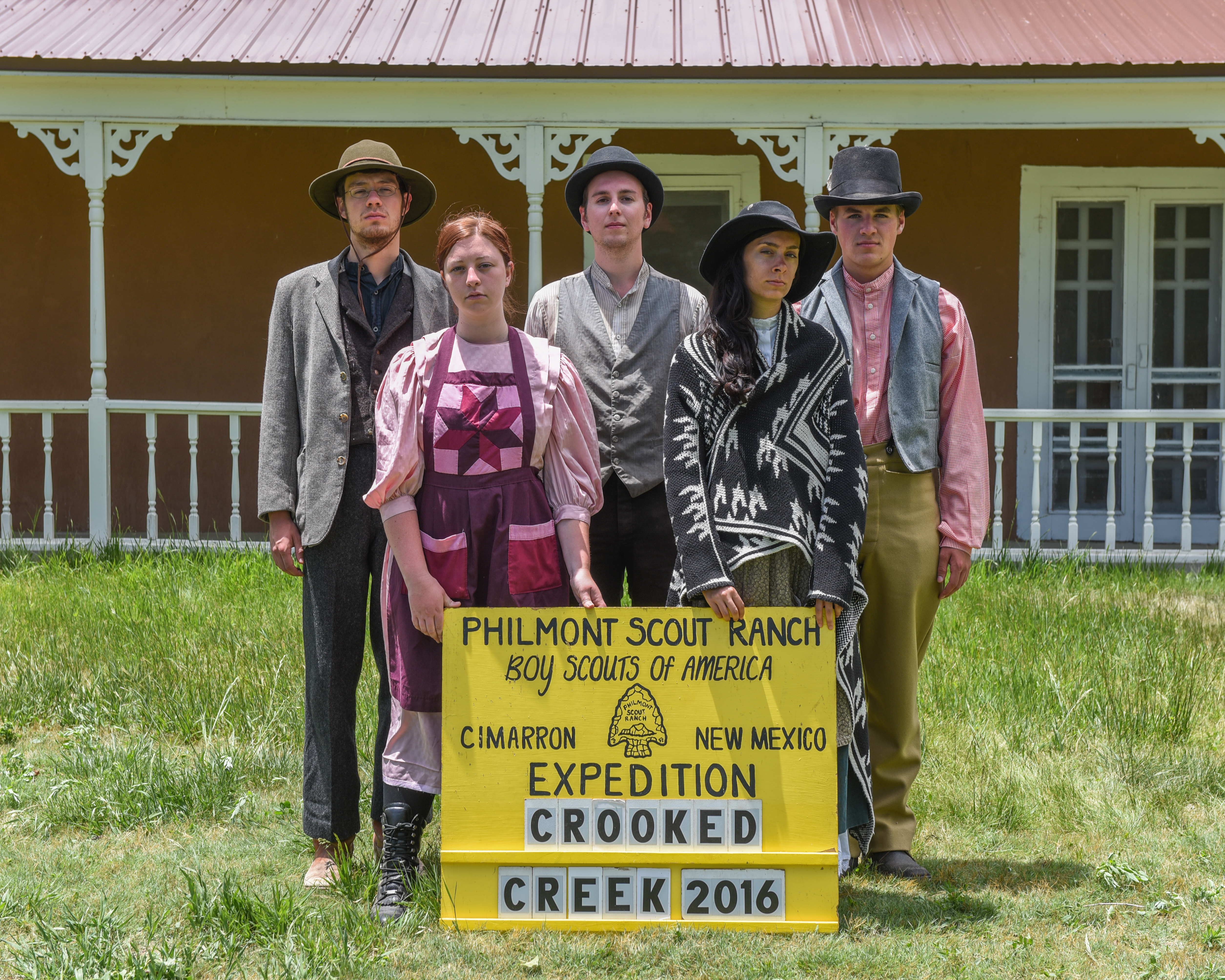


 Some Camp sites are “interpretive,” meaning that they are set in a certain time in the history of the region and the staff are dressed in period clothing, portraying people from that particular time and place. For example, there is Miranda, a beaver trapping mountain man camp set in 1838 that features trap demonstrations and blackpowder rifle shooting, rich cabins, a real homestead settled by Austrian immigrants in the Edwardian era with livestock and farm chores. Cypher’s Mine is a 1912 gold mine that gives mine tours, forge demonstrations, and an evening show. Crater Lake is a logging camp set in 1915 where the campers get to climb wooden spar poles. Other sites are set in the present and focus on an activity like those described above. Scout troops on trek often hike through these backcountry camps and participate in the programs. The conservation department, meanwhile, goes back and forth between base camp and the backcountry, working to prevent pollution or overconsumption, suppress excessive erosion, control wildfires, and maintain trails. The conservation team includes roving work crews, environmental educators, two sustainability watch dogs (who keep track of Philmont’s garbology), invasive species specialists, and a GIS team. The ranch department also straddles both areas of Philmont because they care for the animals in base camp but lead the herds of beef cattle through various meadows in the backcountry.
 This summer, I work as a program counselor at Crooked Creek, an interpretive camp set in 1875. We are a family of three brothers, two sisters, and a family friend from Johnson County, Tennessee. We came to the New Mexico Territory in 1869 after our father, a union sympathizer during the Civil War, was killed by confederate soldiers and our mother died of tuberculosis. My coworkers and I give tours of and maintain our period correct cabin, chop and buck wood would for our stove (we do not have propane), and take care of our cow and calf, two burros, two goats, rooster, two hens and seven adolescent Rhode Island Red chickens, all in period garb! We have a poop flinging contest in the evening, where we clean out the pens, followed by a porch show where we sing mid-19th century folk songs. Because there are no roads near by, we haul our supplies in on the backs of our burros! Poop and burrows! What a summer.